
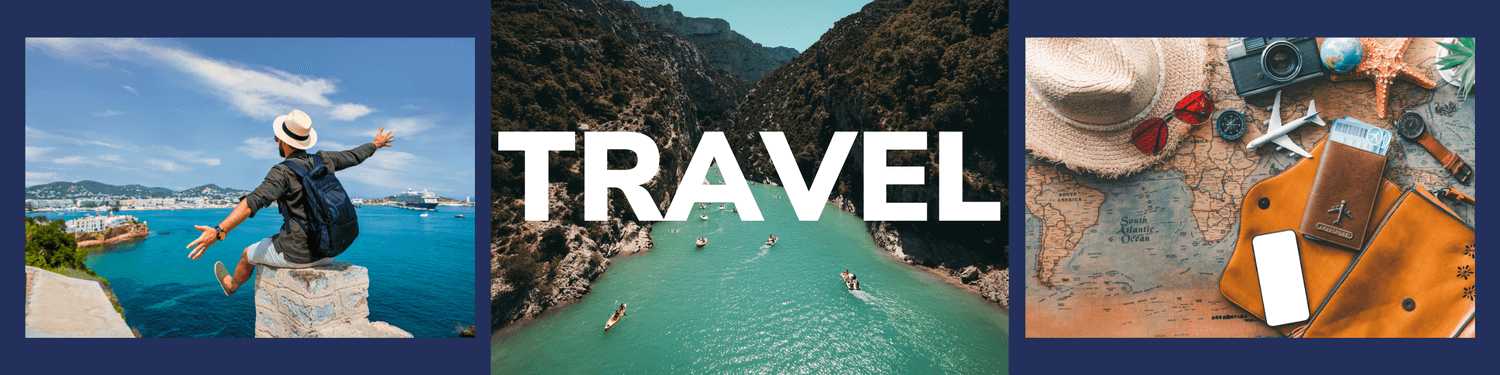
Travel is one of the most enriching and transformative experiences available to people across the world.
It offers far more than just a break from daily routines—it opens doors to new cultures, perspectives, landscapes, and personal growth. Whether it involves a weekend road trip, an international adventure, or a deep exploration of one’s own region, travel has the power to educate, inspire, and rejuvenate. In a fast-paced, increasingly digital world, the importance of travel has only grown, serving as a meaningful way to reconnect with nature, humanity, and oneself.
At its core, travel is about discovery. When individuals step outside of their familiar environments, they are exposed to different ways of life. This exposure encourages curiosity and understanding.
Visiting a bustling market in a foreign country, tasting local cuisine, or observing traditional customs can provide insight into how others live, think, and celebrate life. These experiences often challenge preconceived notions and foster empathy, making travelers more open-minded and culturally aware.
One of the most significant benefits of travel is personal growth. Navigating unfamiliar places, languages, and situations requires adaptability and problem-solving skills. Travelers often face unexpected challenges such as missed flights, language barriers, or changes in plans.
Overcoming these obstacles builds resilience and confidence. Solo travel, in particular, can be especially empowering, as it encourages independence and self-reliance. Many people return from trips with a stronger sense of identity and a broader outlook on life.
Travel also plays a crucial role in mental and emotional well-being. Taking time away from everyday stressors allows individuals to relax and recharge. Whether it’s lounging on a beach, hiking through mountains, or exploring a new city, travel provides a mental reset. Studies have shown that travel can reduce stress, improve mood, and increase overall happiness. The anticipation of a trip itself can boost excitement and motivation, while the memories created during travel often provide long-lasting joy.
Another key aspect of travel is its educational value. Unlike traditional classroom learning, travel offers hands-on, immersive experiences. Visiting historical landmarks, museums, and natural wonders allows individuals to learn in a dynamic and engaging way. For example, seeing the Great Wall of China or the pyramids of Egypt in person provides a deeper understanding of history than reading about them in a book. Travel also enhances language skills, as interacting with locals often requires learning basic phrases or practicing communication in a different language.
In addition to personal benefits, travel has a significant impact on the global economy. The tourism industry is a major source of income for many countries, providing jobs and supporting local businesses. Hotels, restaurants, tour guides, transportation services, and artisans all benefit from tourism. In developing regions, travel can be a vital economic driver, helping communities grow and improve infrastructure. However, it is important for travelers to be mindful of their impact and support sustainable tourism practices that protect local environments and cultures.
Sustainable travel has become increasingly important in recent years. As more people explore the world, the environmental and cultural impact of tourism has grown. Responsible travelers aim to minimize their footprint by choosing eco-friendly accommodations, reducing waste, and respecting local traditions. This might include using reusable water bottles, avoiding single-use plastics, supporting locally owned businesses, and being mindful of wildlife conservation.
Sustainable travel ensures that future generations can continue to enjoy the beauty and diversity of the world.
Travel also strengthens relationships. Whether traveling with family, friends, or a partner, shared experiences create lasting bonds. Exploring new destinations together, overcoming challenges, and creating memories can deepen connections. Even traveling alone can lead to meaningful interactions with people from different backgrounds. Many travelers form friendships with locals or fellow travelers, leading to a sense of global community. These connections often transcend cultural differences and highlight the shared humanity among people.
Technology has significantly changed the way people travel. With smartphones, travelers can access maps, book accommodations, translate languages, and find recommendations instantly.
Social media has also influenced travel trends, inspiring people to visit destinations they might not have considered otherwise. While technology makes travel more convenient, it is important to strike a balance and remain present in the moment. Constantly focusing on capturing photos or checking devices can detract from fully experiencing a destination.
Different types of travel cater to a wide range of interests and preferences. Adventure travel appeals to those seeking excitement and physical challenges, such as hiking, scuba diving, or exploring remote locations. Cultural travel focuses on experiencing traditions, art, and history. Eco-tourism emphasizes nature and conservation, often involving visits to national parks or wildlife reserves. Luxury travel offers comfort and high-end experiences, while budget travel prioritizes affordability and resourcefulness. Each type of travel provides unique opportunities and benefits.
Planning is an essential part of a successful travel experience. Researching destinations, understanding local customs, and preparing itineraries can help travelers make the most of their trips. However, flexibility is equally important. Some of the most memorable travel experiences happen spontaneously, whether it’s discovering a hidden café, attending a local festival, or taking an unplanned detour. Balancing preparation with openness to new experiences can lead to a richer and more fulfilling journey.
Safety is another important consideration when traveling. Being aware of one’s surroundings, securing belongings, and understanding local laws and customs can help prevent issues.
Travelers should also stay informed about health precautions, such as vaccinations or travel advisories. While it is important to be cautious, fear should not prevent exploration. With proper preparation and awareness, travel can be both safe and rewarding.
Food is a central part of the travel experience. Trying local dishes is one of the most enjoyable ways to connect with a culture. Each region has its own flavors, ingredients, and cooking techniques that reflect its history and traditions. From street food to fine dining, culinary exploration adds depth to travel. Food often becomes one of the most memorable aspects of a trip, as tastes and aromas are closely linked to memory.
Nature and outdoor travel offer a unique sense of peace and connection to the environment.
Visiting national parks, mountains, forests, and oceans allows travelers to experience the beauty of the natural world. Activities such as hiking, fishing, camping, and wildlife observation provide both relaxation and adventure. Nature travel also encourages environmental awareness and appreciation for conservation efforts.
Travel within one’s own country, often referred to as domestic travel, can be just as rewarding as international trips. Exploring nearby cities, parks, and attractions can reveal hidden gems and deepen appreciation for local culture and history. Domestic travel is often more accessible and affordable, making it a great option for those with limited time or budget.
One of the lasting impacts of travel is the memories it creates. Photos, souvenirs, and stories serve as reminders of experiences that can be cherished for a lifetime. These memories often shape perspectives and influence future decisions. Many travelers find that once they begin exploring, they develop a lifelong passion for travel, constantly seeking new destinations and experiences.
In conclusion, travel is far more than a leisure activity—it is a powerful tool for personal growth, cultural understanding, and global connection. It enriches lives by providing new experiences, fostering empathy, and creating lasting memories. While it offers countless benefits, it also comes with responsibilities, including practicing sustainable and respectful tourism. Whether near or far, travel has the ability to transform individuals and broaden horizons in ways that few other experiences can.